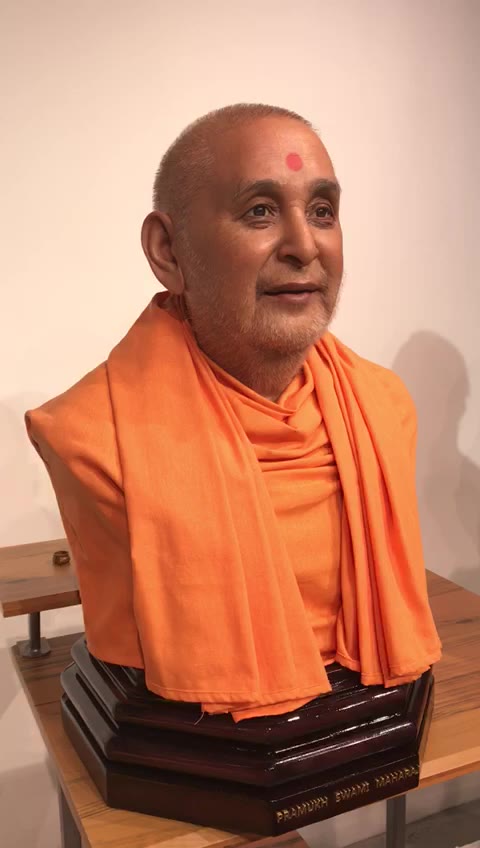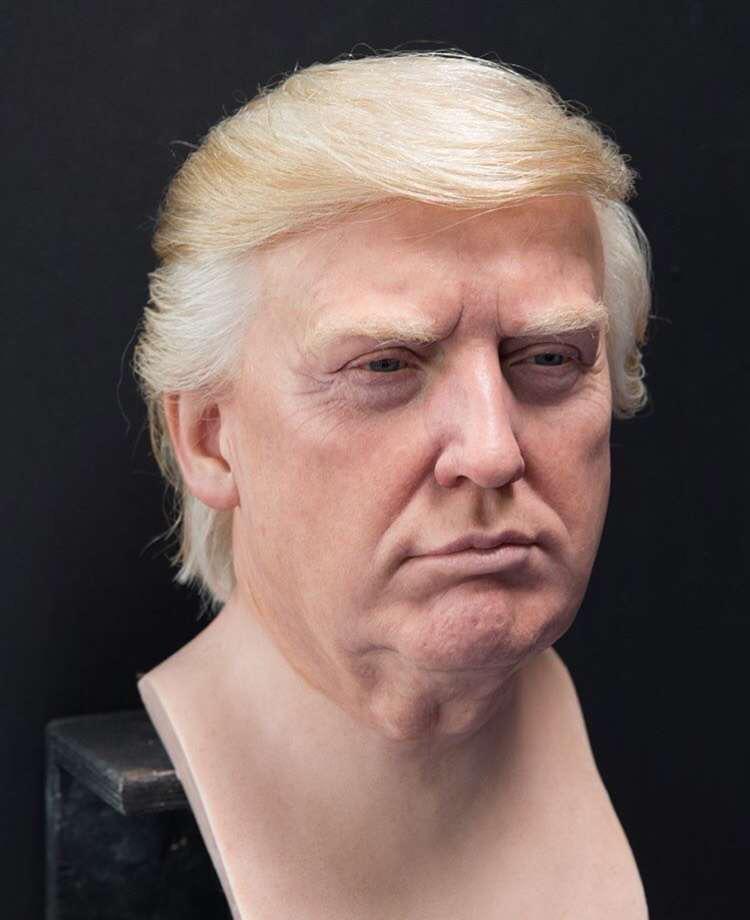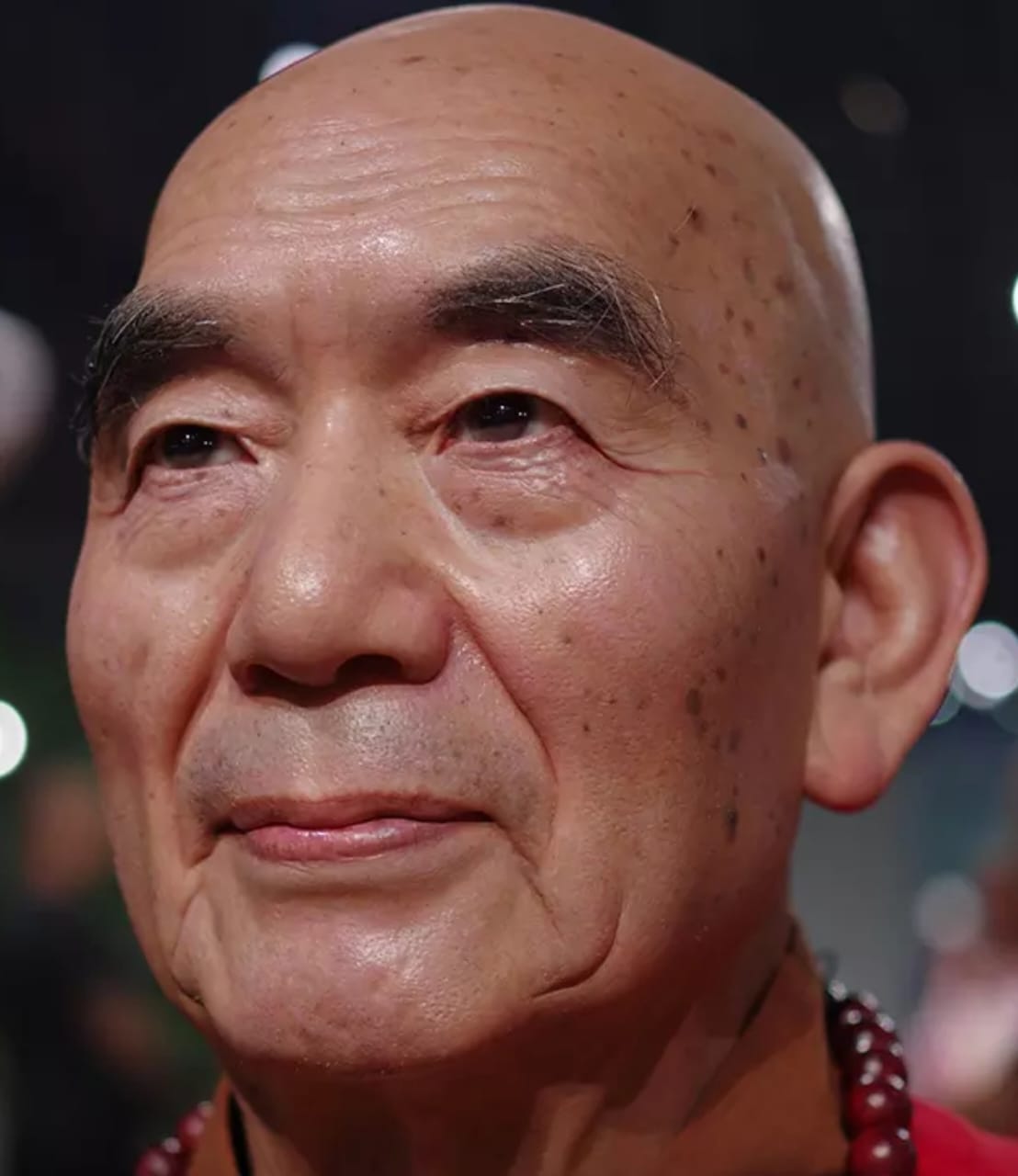
A realistic portrait figurine starts with decisions about a person’s recognizable character, not with the number of surface details in the model. A brief must explain which moment, expression and presentation the sculpture should preserve. It also needs practical boundaries: size, pose, finish and intended display. Agreeing those points early gives the sculptor a coherent target and makes later feedback more precise than simply asking for greater realism.
Choose the portrait’s central idea
Describe the impression the figure should convey. A calm formal portrait, a candid smile and an energetic performance pose require different facial and body choices. Select one primary direction and explain why it matters. A reference folder full of unrelated expressions can leave the sculptor combining features that never occurred together.
Identify a few recognizable characteristics without turning the brief into an inventory of every pore. The relationship between brow, nose, mouth and jaw often matters more than small skin texture. Note distinctive posture, hairstyle and accessories where they contribute to identity. Mark optional details separately so they do not displace the features that make the portrait recognizable.
Set the physical and viewing constraints
Specify overall height, whether the base is included and the expected viewing distance. A desktop portrait seen at arm’s length needs a different emphasis from a large display bust. Include the available shelf or case dimensions and the preferred viewing angle. These constraints affect composition before they affect manufacturing.
Decide whether the work is a bust, full figure or group. Each format changes how much expressive work the face must carry and how the object is supported. Use a simple silhouette or blockout to confirm the proportion between figure and base. Avoid selecting a size solely from a digital render that offers no familiar scale reference.
Organize references by purpose
Provide clear front, side and three-quarter references where available, plus a separate selection for expression, clothing and finish. Explain which image governs each decision. Contradictory photographs may reflect different ages, lenses or lighting, so the artist needs a chosen reference period rather than an instruction to match everything simultaneously.
For commissioned likenesses, confirm that the supplied material is appropriate for the intended project and that the person directing approvals can make the required creative decisions. Keep sensitive reference material within the agreed project workflow. The production brief should state what is being made and who reviews it without making unsupported claims about endorsements or partnerships.
Define approvals before fine detail
Plan reviews for overall proportions, likeness and expression, manufacturing readiness and finish. Ask reviewers to approve the relevant decision at each stage. A detailed painted render can distract from an incorrect head shape, while a plain sculpt review makes that structural issue easier to see and cheaper to correct.
Finish the brief with a short acceptance description: the selected expression, key likeness references, physical dimensions and intended finish. Include which items remain exploratory. Formlabs’ figurine guide shows that printing and finishing are separate stages; the brief should likewise distinguish digital approval from acceptance of the physical result. A clear brief turns personal interpretation into a manageable sequence of creative decisions.
The key decisions.
- Choose one portrait direction and prioritize its recognizable characteristics.
- Specify physical scale and display context before reviewing detailed renders.
- Approve proportions, likeness and finish as distinct production decisions.
Sources & further reading
Primary references for the concepts discussed. Check the applicable documentation when planning implementation.