A purposeful immersive concept
Define the audience, setting, key interaction and intended outcome before selecting the delivery format.

Augmented, virtual and mixed-reality experiences that connect spatial design, interaction and storytelling with a clear business or entertainment purpose.
Plan an immersive experienceImmersive technology changes the relationship between an audience and an idea. A person can move through an environment, examine a product at scale or influence a story through their actions. Horizon Studio develops those experiences around the audience, the setting and the reason participation matters.
We work across AR concepts, VR environments and mixed-reality interfaces for games, brand experiences, exhibitions and product visualisation. The starting point is the experience brief rather than the device: what should someone understand, feel or be able to do after taking part? That answer guides the creative and technical approach.
Define the audience, setting, key interaction and intended outcome before selecting the delivery format.
Connect movement, scale, visual cues and interaction so participants understand where they are and what they can do.
Plan the device, asset pipeline, performance requirements and external integrations around the actual installation or product.
Prepare the content, testing and operating requirements that help the experience work beyond a controlled demonstration.
Augmented reality can introduce a character, product or layer of information into the space around a person. We explore camera-led journeys, object placement, interactive discovery and product visualisation with attention to how the audience will actually access the experience.
A public activation, a browser-based encounter and a dedicated app each have different constraints. We define the entry point, permissions, asset requirements and fallback experience so the creative concept fits the delivery environment.
A virtual environment needs more than visual scale. The participant should understand how to move, which objects respond and what gives the journey direction. We develop spatial storytelling and interaction around those decisions, then prototype the most important moments.
The technical plan considers the target hardware, comfort, movement, session length and supervision context. A short exhibition experience and a longer game have different needs. Those requirements inform both the world design and the testing approach.
Mixed-reality concepts connect digital content with the physical setting. The room, surface or object can become part of the interaction rather than a background. We explore spatial interfaces, responsive demonstrations and experiences that invite people to act within their surroundings.
Planning includes the environment in which the product will be used, the assumptions it can make about that space and the behaviour when those assumptions fail. A convincing demonstration should lead to a clear understanding of what is needed for a reliable deployment.
Concept design, environment art, animation, interface cues and software are developed as parts of one experience. We review assets in their intended context, because scale and interaction can change how a design reads once someone is inside it.
Testing considers the participant journey and the operational one. Installation, reset, content updates, support and any staff involvement need a plan. The final scope sets out the supported devices and environments, handover materials and any ongoing maintenance responsibilities.
The final scope, ownership, integrations and delivery milestones are agreed around your project.
Establish the audience, environment and purpose of participation.
Test movement, spatial cues and the key responsive moments.
Create the assets, systems and content around the validated direction.
Review devices, operating conditions and the participant journey before handover.
No. We can begin with the audience and experience brief, then assess suitable devices and delivery formats against the requirements.
Yes. Event projects should include installation, staffing, participant flow, reset and support requirements in the scope.
Yes. We can work from authorised reference materials and available models, with any additional asset production defined in the brief.
Yes. A prototype can validate the central interaction and technical assumptions before the full environment and content are produced.
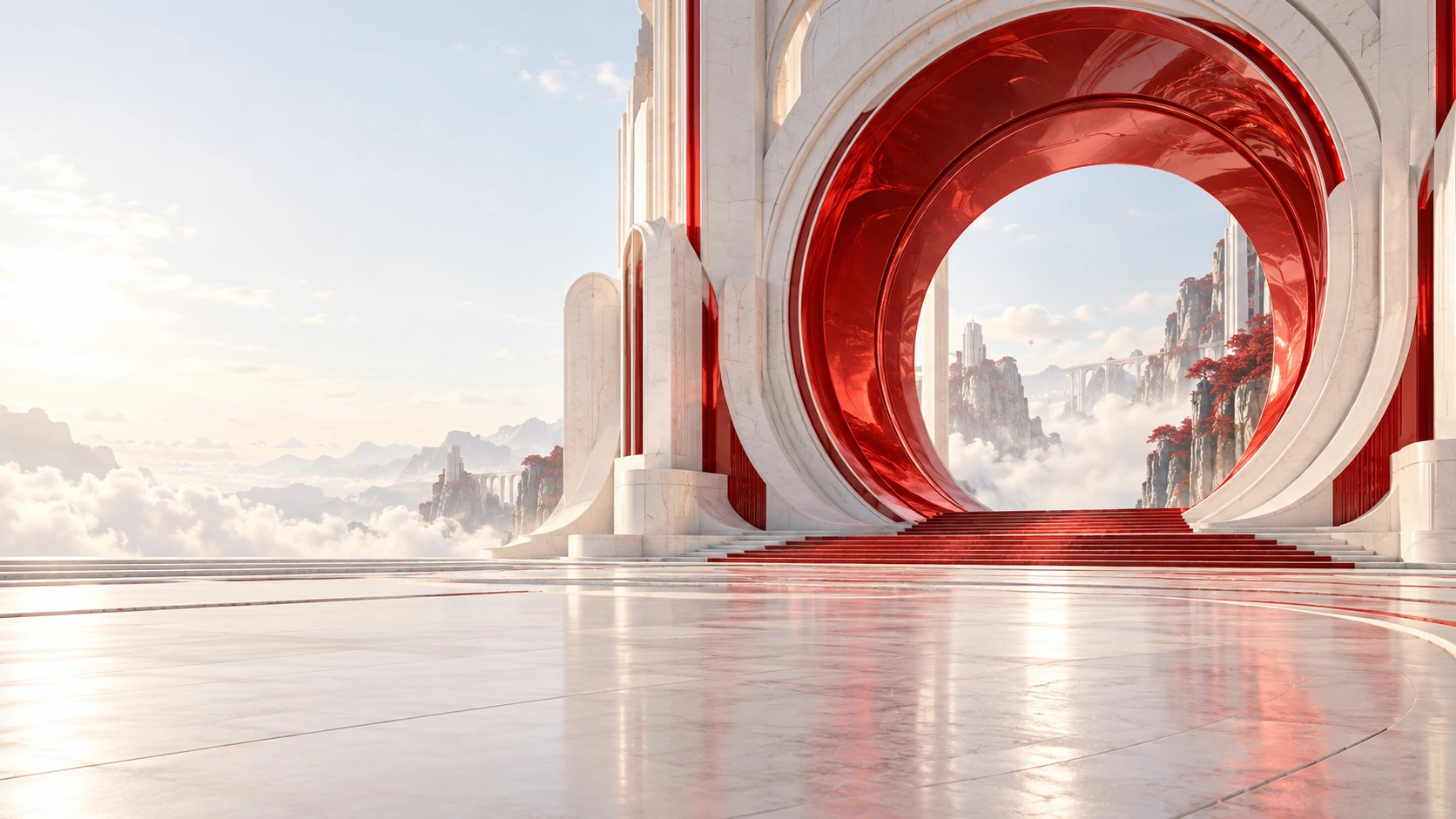
Decide when a task benefits from spatial content, mixed reality or full immersion by testing the user outcome and the cost of changing context.
3 MIN READ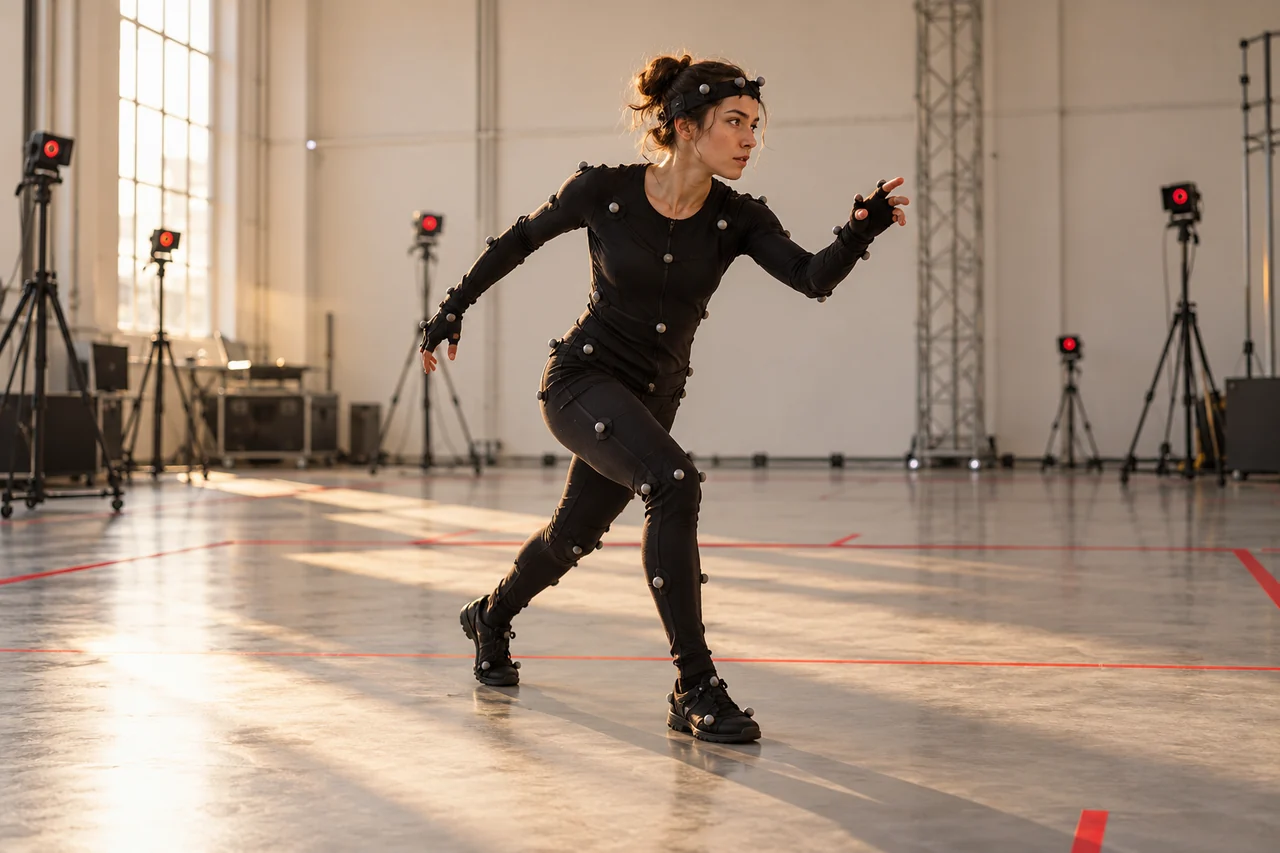
Select and tune VR movement methods around task needs, spatial understanding and user preference, with clear transitions and reliable recovery controls.
3 MIN READ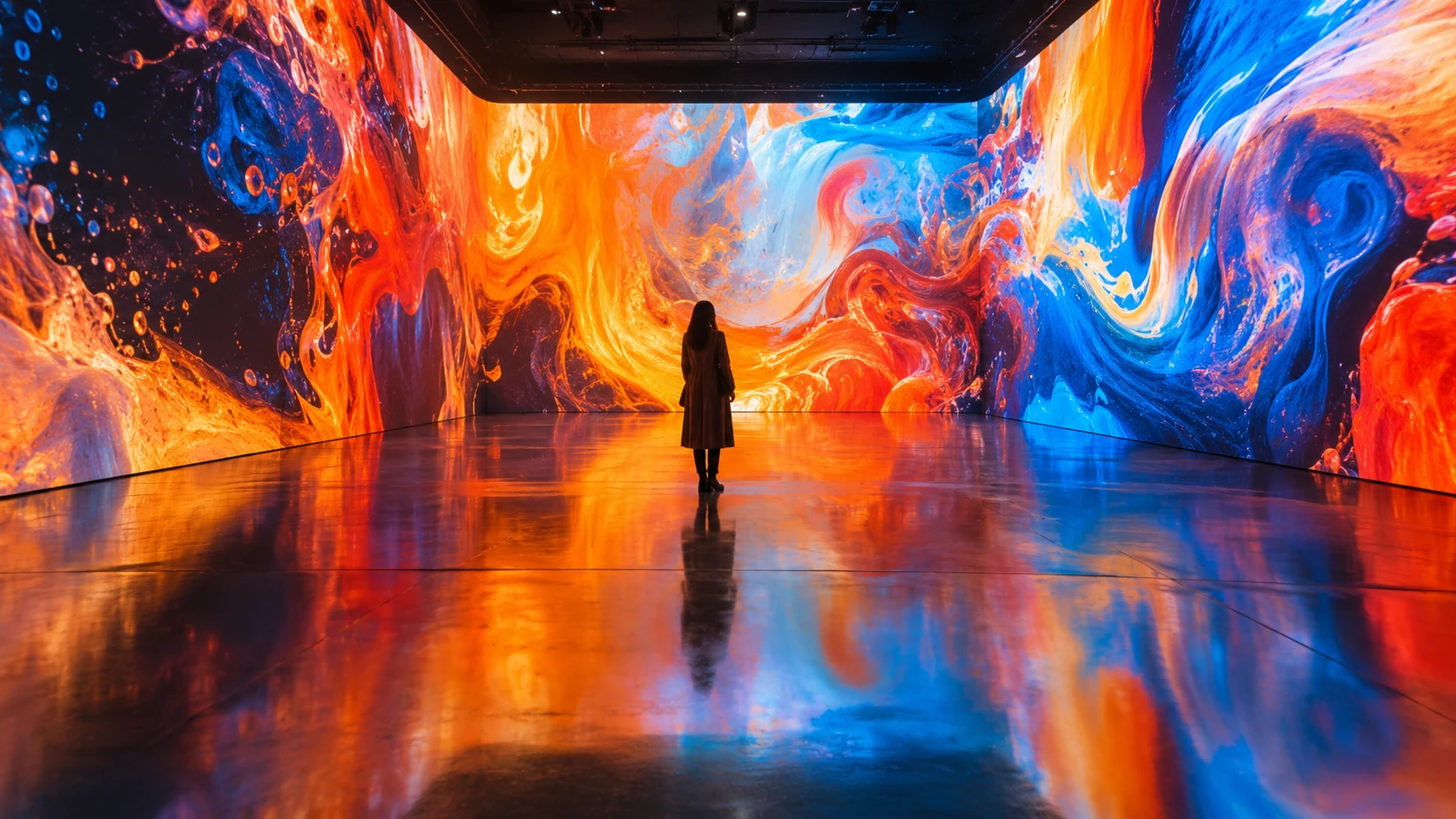
Arrange spatial tools and content around reach, viewing distance and task frequency so an immersive workspace remains usable across different bodies and postures.
3 MIN READ