
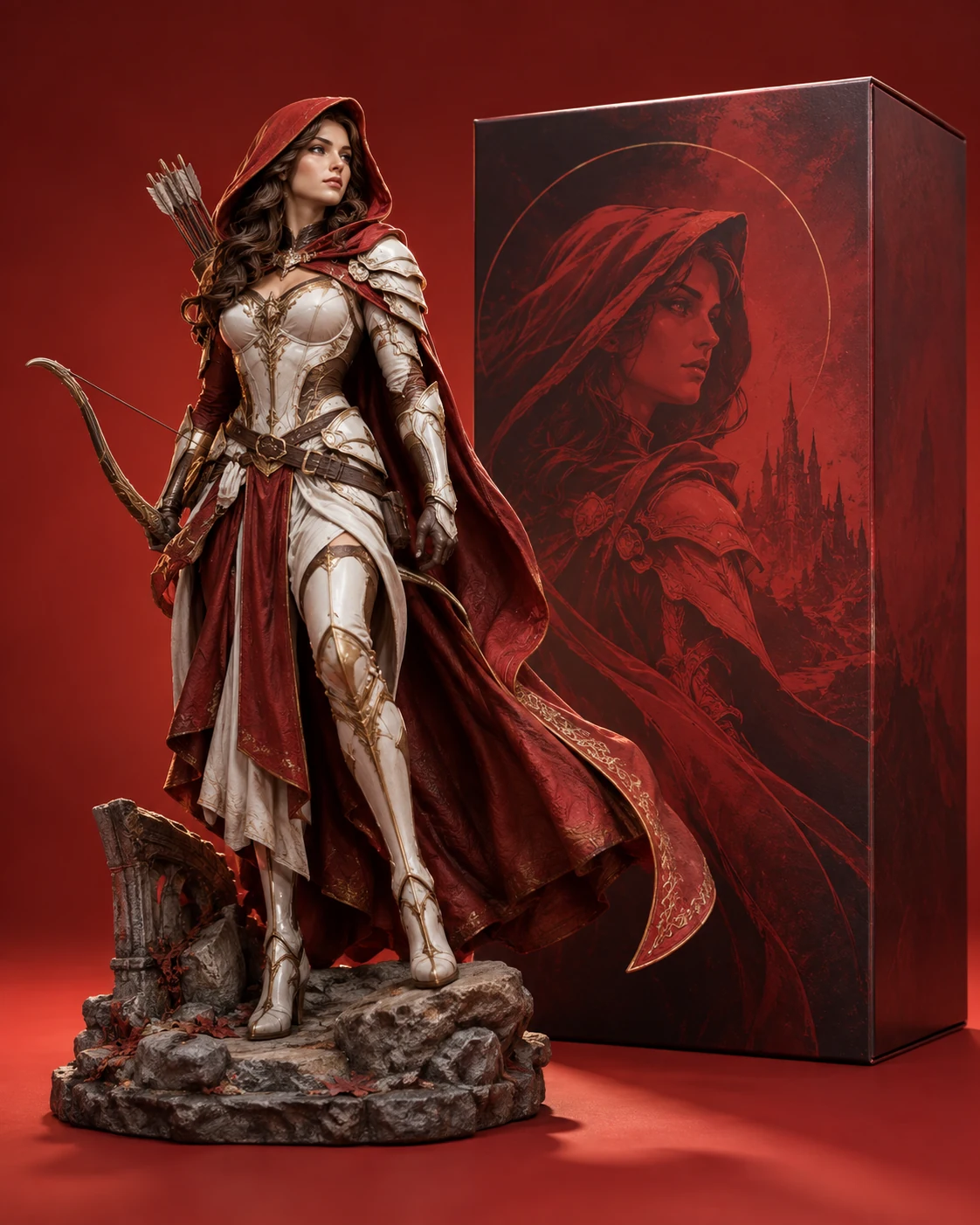
A free collectible can attract claims without establishing that people want to collect anything. They may be curious, following an instruction or responding to a temporary incentive. Discovery should identify the underlying motivation before the team commits to a token architecture and a large creative production. The useful evidence concerns what people keep, display, use and discuss after the initial moment of acquisition.
Explore existing collecting behaviour
Ask participants about objects or records they already value, digital or physical. Focus on recent examples and actual behaviour rather than asking whether they like the idea of ownership. Find out what makes an item worth keeping, how they organise a collection and whether sharing matters. Include people who do not collect, since their objections may reveal a mismatch with the intended audience. This research can uncover a simpler need such as remembering an event or showing progress, neither of which automatically requires a transferable token.
Prototype the benefit without the ceremony
Show the artwork, record or access experience in a lightweight prototype before introducing wallet setup. Observe whether participants find it meaningful and what they would do with it next. Compare a collectible presentation with a conventional achievement or downloadable souvenir where appropriate. The comparison should preserve the creative quality so technology is not confused with better art direction. If the underlying object has little appeal, improving the claim animation will not answer the central question. Strengthen the benefit before adding more steps around acquisition.
Test the added capability separately
If transferability, public verification or independent display is proposed, create a task that uses that capability. Ask someone to give the item to a friend, verify its origin or view it outside the main application through a supported route. Observe the full result. A verbal statement that openness sounds valuable is weaker evidence than successful use for a real purpose. Record the additional effort and confusion as well as the benefit, because a capability may be appreciated in principle while remaining disproportionate for the audience's actual needs.
Follow up after novelty fades
Return to participants after a relevant interval and ask what happened to the item. Did they view it again, use a benefit, mention it to someone or forget it? Combine these accounts with proportionate usage evidence. Do not treat non-use as failure automatically; a commemorative object may have value without frequent interaction. Interpret behaviour against the original hypothesis. The follow-up helps distinguish an enduring memory or identity signal from a momentary response to a campaign that encouraged everyone to click claim.
Make an architecture decision from the evidence
Summarise the user need, the capabilities that improved it and the complexity those capabilities introduced. Choose a conventional collectible, account achievement or token implementation according to that comparison. Define a small pilot if uncertainty remains around a consequential assumption. The research should make it possible to say no to unnecessary technology without discarding a good creative idea. A successful collectible programme begins with an audience that values the object and its role, then uses the technical model that serves that relationship most clearly.
The key decisions.
- If transferability, public verification or independent display is proposed, create a task that uses that capability.
- Return to participants after a relevant interval and ask what happened to the item.
- Summarise the user need, the capabilities that improved it and the complexity those capabilities introduced.
Sources & further reading
Primary references for the concepts discussed. Check the applicable documentation when planning implementation.





