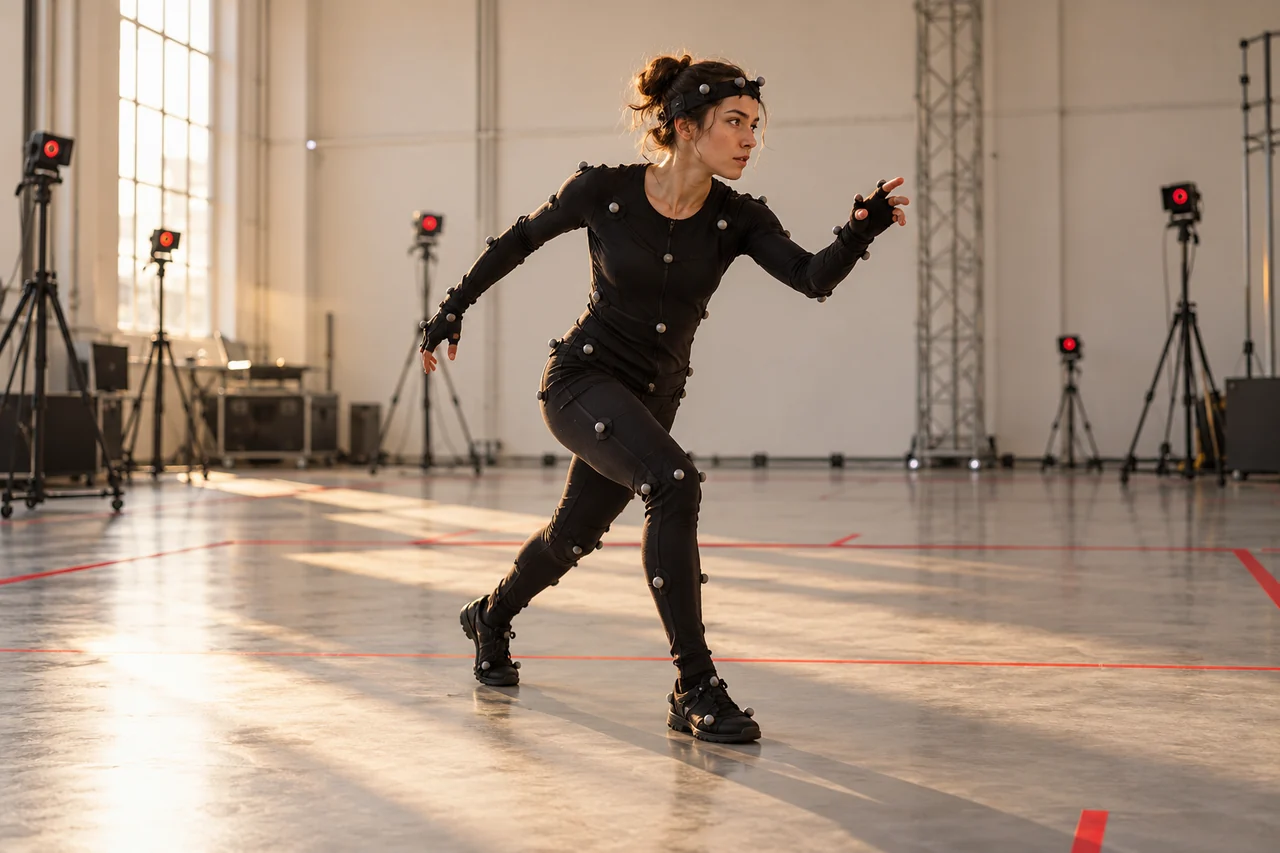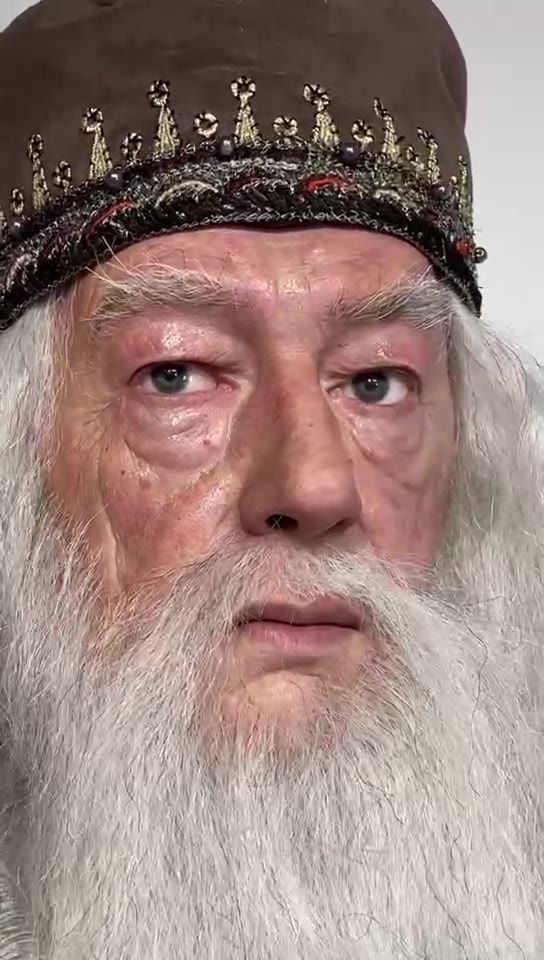
Animation retargeting helps a team reuse motion, but it does not guarantee that the transferred performance suits a new body. A short character may overreach, a broad character may intersect its own torso and a heavy creature may move with an implausibly light rhythm. Treat retargeting as the beginning of adaptation. The aim is to preserve the useful structure of a motion while correcting contacts, balance and performance choices for the destination character.
Choose a representative motion set
Test more than an idle and a walk before approving a shared skeleton strategy. Include a reach, crouch, turn, jump or landing, and an interaction with a fixed object. These motions reveal different problems: proportions affect contact, joint orientation affects rotation and body mass affects the impression of effort. A varied sample is more informative than many similar locomotion clips.
Record the source and destination reference poses and confirm the mapping assumptions. Small differences in shoulder orientation or limb alignment can produce visible offsets throughout a library. Correct systematic setup errors before editing individual clips. Otherwise, the team may spend time repairing the same fault repeatedly while the underlying retarget configuration remains unchanged.
Protect contact relationships
Feet on the floor, hands on a handle and a weapon held between both palms create clear expectations. Review those contacts at normal speed and in slow motion. A retargeted arm may follow the right general path yet miss the object by enough to break the interaction. Use the destination environment and prop dimensions during evaluation.
Decide which relationships are fixed and which may adapt. A ladder rung is a fixed target; the exact elbow angle usually is not. This hierarchy helps choose appropriate corrections instead of forcing every joint to match the source. Check the transition into and out of contact as carefully as the held position, because sudden corrective movement can be more distracting than a small static offset.
Restore balance and personality
Compare the destination character's support and weight shifts with its proportions. A large head or long torso changes the apparent balance even when the feet land correctly. Adjust pose and timing where necessary to make turns, stops and recoveries feel intentional. Reuse should preserve production efficiency without making every character seem to inhabit the same body.
Choose a small number of performance differences that matter most. A cautious character might lead with the eyes and chest before stepping, while a confident one commits more directly. Apply these choices consistently across the core set. Avoid adding random offsets to every clip; personality comes from coherent movement decisions rather than arbitrary variation.
Separate reusable fixes from clip edits
When the same issue appears across several clips, investigate the mapping, reference pose or shared correction layer. When only one interaction fails, a local adjustment may be appropriate. Unreal's retargeting documentation explains how differing proportions affect animation transfer, but the team must still judge the artistic result. Keep configuration changes distinct from authored motion edits.
Approve the adapted set in the actual animation system, including blends and interruptions. A corrected standalone clip may still produce a poor transition from an uncorrected neighbour. Maintain a review matrix of character types and representative actions. That record makes it clear which combinations are supported and prevents the phrase retargeted successfully from being mistaken for ready to ship.
The key decisions.
- Test varied contacts and movement demands before scaling reuse.
- Correct shared setup faults before making individual clip edits.
- Review balance, personality and transitions on the destination character.
Sources & further reading
Primary references for the concepts discussed. Check the applicable documentation when planning implementation.