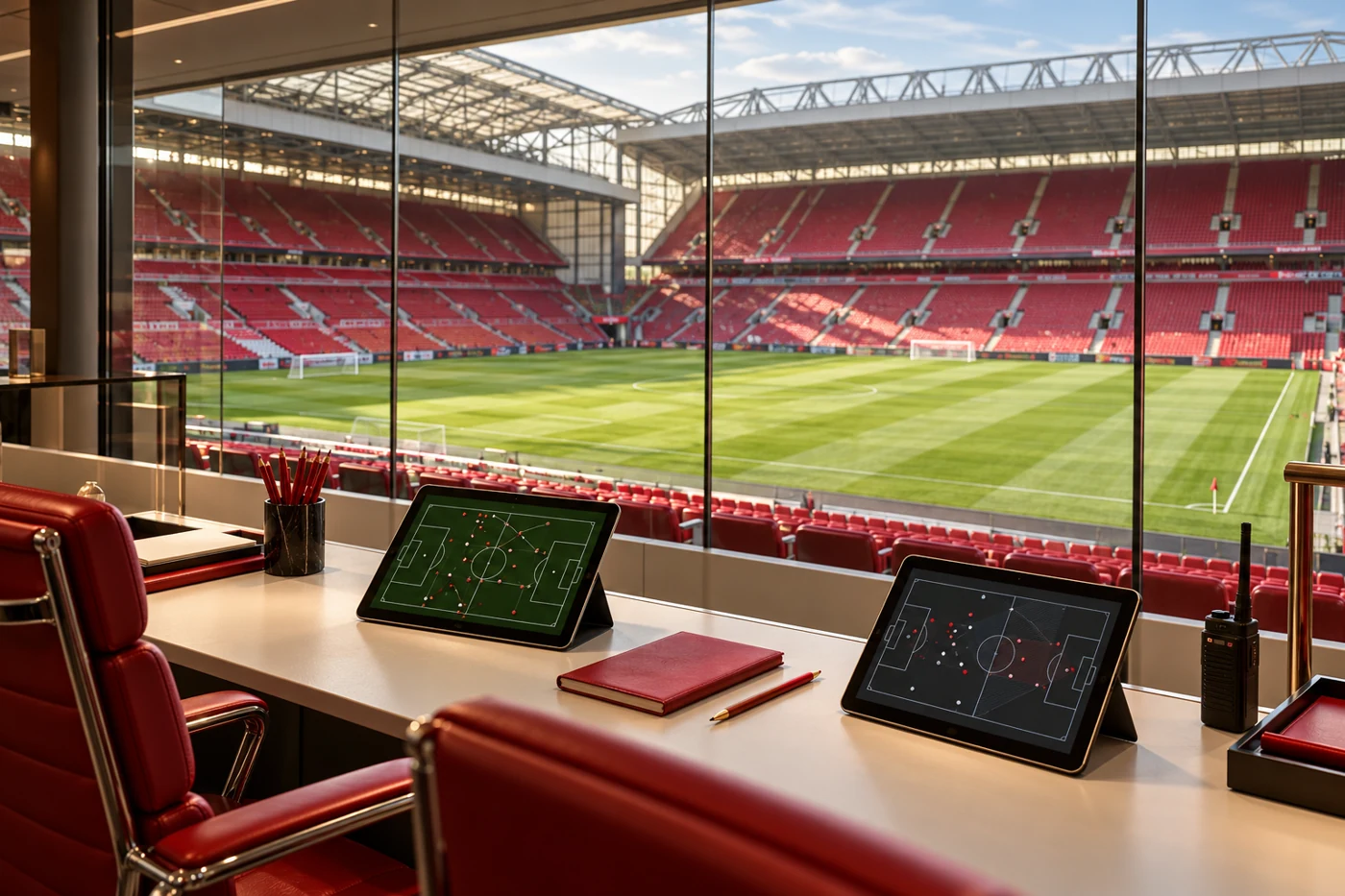
A turn-based game gives players time to think, but time is useful only when the relevant information is available. If movement costs, line of sight or action consequences remain hidden until commitment, careful planning becomes trial and error. Design previews around the questions a player asks before acting. The interface should explain the rules that their character could reasonably know while preserving uncertainty that belongs to the game.
List the questions before commitment
Before moving a unit, a player may need to know the route, the action cost, the resulting cover and whether an enemy can react along the way. Before attacking, they may need range, target eligibility and the resources the action consumes. Put this information near the proposed action so it can be considered together.
Separate immediate facts from predictions. A movement cost may be certain, while an enemy's future choice may be unknown. Use presentation that makes the distinction clear. A precise-looking indicator can create false confidence if it quietly assumes conditions that may change before the action resolves.
Make spatial rules inspectable
Line of sight and cover are especially sensitive to small geometry differences. Let players preview from a proposed destination before committing when that information is part of intended planning. A unit that moves to an apparently clear position and then cannot attack has exposed a communication problem unless the obstruction was deliberately concealed.
Keep the visual representation aligned with the rule. If a low wall provides partial protection, its shape and preview should agree. Where complex scenery creates ambiguous edges, simplify the playable geometry or add a clear inspection tool. The environment can remain visually rich without requiring players to infer collision details from decorative meshes.
Explain uncertainty without disguising it
If an action has a chance of success, present the chance in a stable, understandable way and show major modifiers where practical. Avoid treating an unlikely failure as proof that the displayed value is broken, but also investigate whether the system and interface calculate the same event. A hit chance and a chance to defeat the target are different claims.
For hidden information, indicate what is unknown rather than filling the gap with a confident estimate. Scouting can then become a meaningful action that improves knowledge. The design should reward obtaining information, while keeping ordinary interface facts available without charging an extra turn to discover basic rules.
Use reversible planning where appropriate
Allow players to inspect options without accidentally committing. A clear preview state and a separate confirmation can help for costly actions. Movement undo may be suitable when no new information or random outcome has been revealed; define the boundary so players understand when a decision becomes final.
Test a turn by asking players to predict its consequences before execution. Compare those predictions with the result and classify mismatches as missing information, unclear wording or intentional uncertainty. Refine the preview around those findings. Tactical depth comes from weighing meaningful options, and trustworthy information lets players spend their attention on that decision rather than on decoding the interface.
The key decisions.
- Show the information needed before each costly commitment.
- Distinguish certain rules, predictions and genuinely hidden information.
- Test whether players can accurately anticipate an action’s consequences.
Sources & further reading
Primary references for the concepts discussed. Check the applicable documentation when planning implementation.