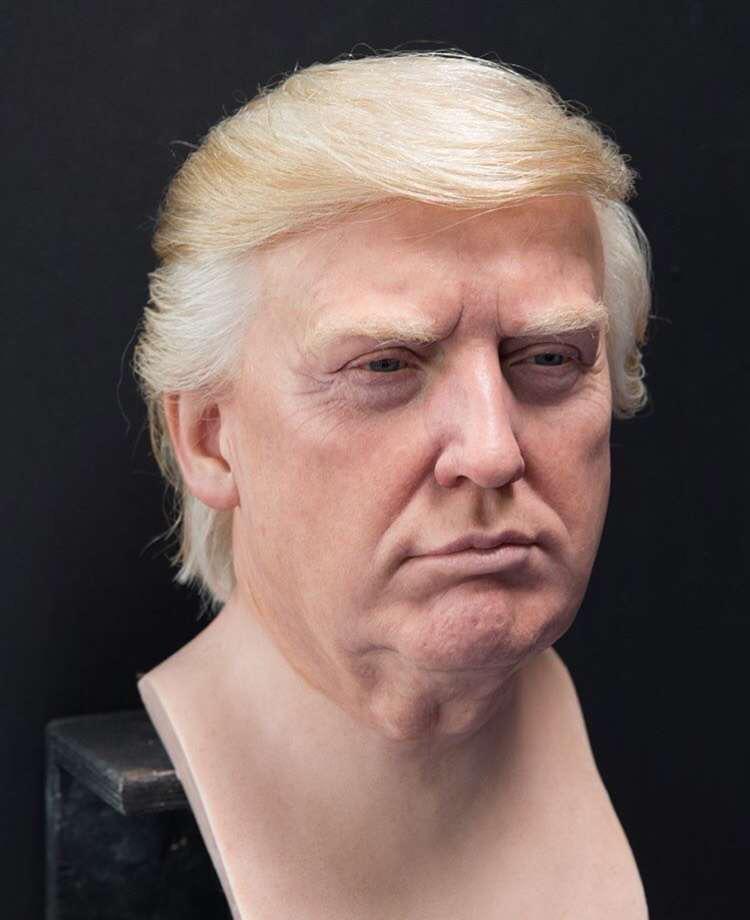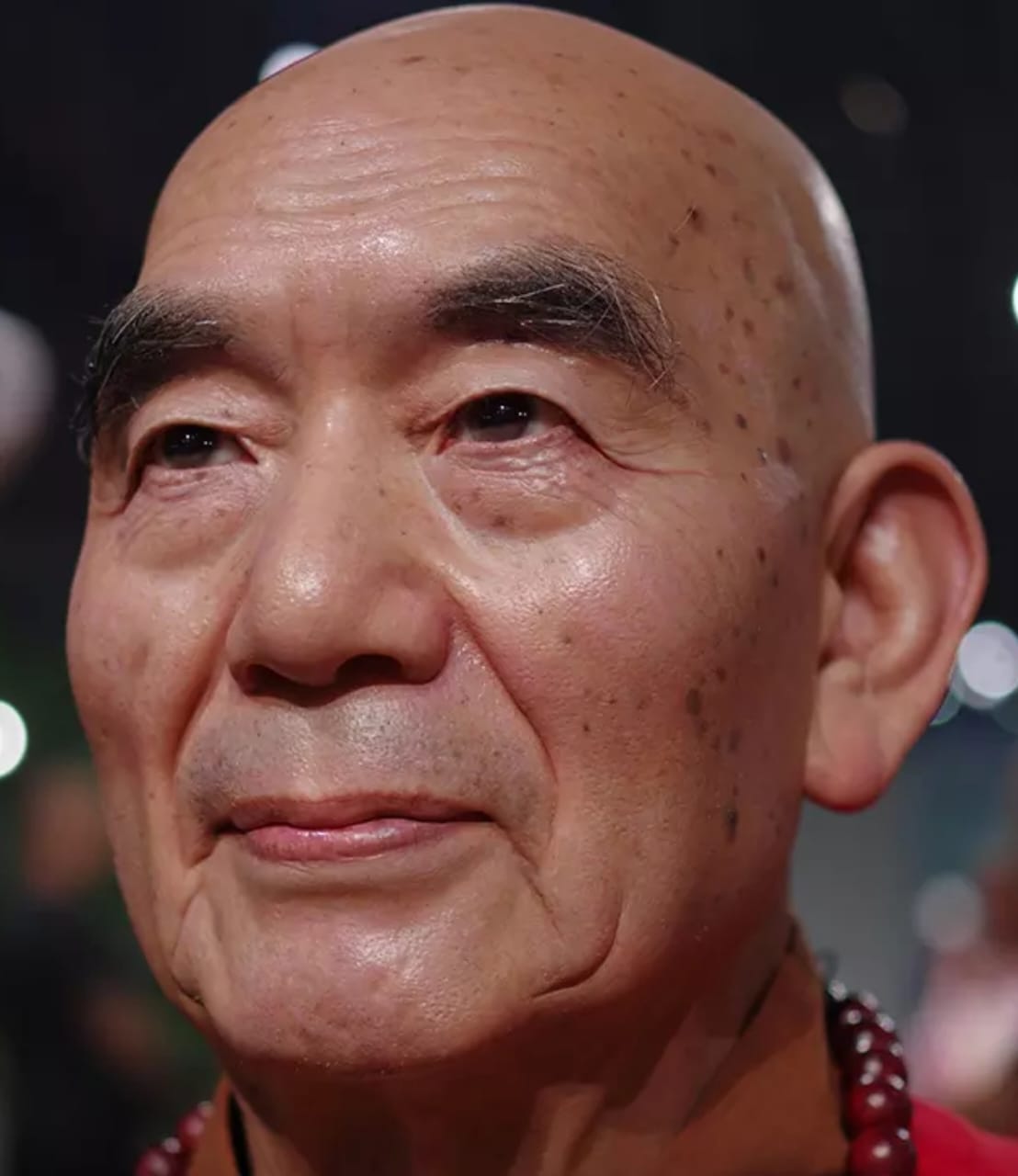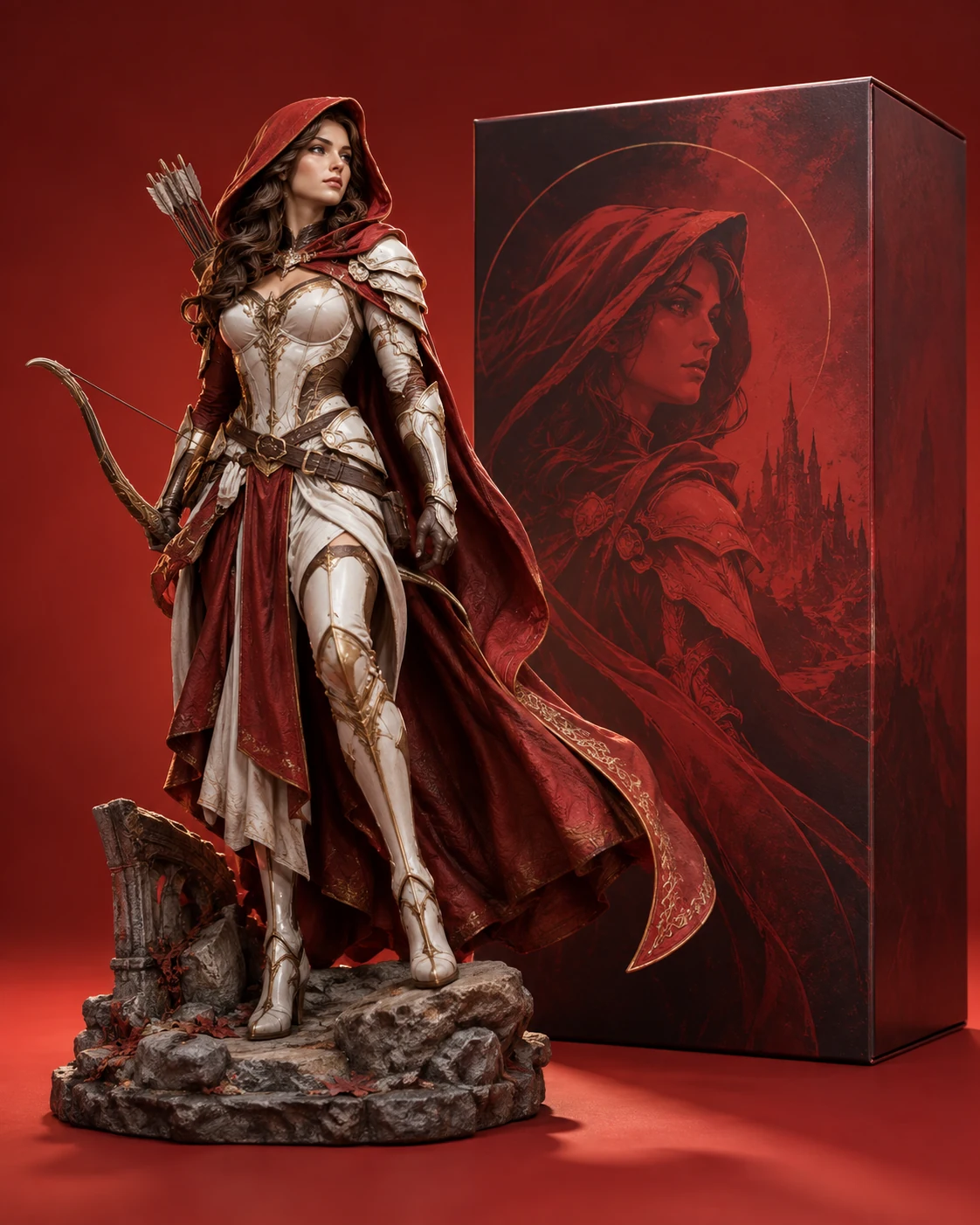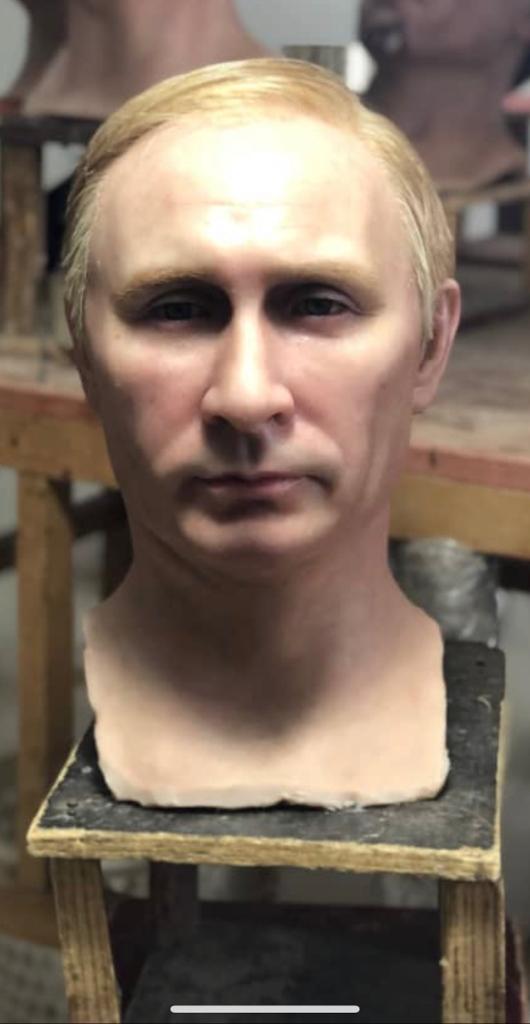
A portrait sculptor needs references that explain three-dimensional form. A flattering photograph may hide the profile, reshape proportions through perspective or conceal the jaw beneath dramatic shadow. A useful reference session does not need theatrical lighting. It needs consistency, coverage and a clear record of the expression being captured. That evidence helps the artist make informed decisions instead of inventing unseen features from a single attractive image.
Keep the face and camera relationship consistent
Choose a comfortable neutral pose and keep the subject at a consistent distance as the views change. Avoid mixing close wide-angle selfies with distant portraits as if they describe identical proportions. Perspective changes the apparent relationship between features, so note when an image was taken under a substantially different setup.
Capture a straight view, both profiles and several intermediate angles. Include the top and underside where hairstyle, chin or accessories need clarification. Keep the entire head visible in at least some frames. Tight crops can be useful for details, but they should not replace views that establish the skull, ears and neck together.
Separate neutral form from expression studies
Photograph a relaxed face first, then capture the intended expression as a separate group. A smile changes the cheeks, eyes and mouth together. Combining a smiling mouth with eyes from a neutral image can produce a portrait that feels inconsistent even when each feature resembles a reference.
For a specific expression, take enough views while it remains reasonably stable. Review them promptly and repeat missing angles rather than asking the sculptor to infer the far side. Brief natural movement between sets can help avoid a strained pose. Label the chosen expression clearly so later review does not drift toward a different moment.
Use lighting to reveal rather than dramatize
Favor broad, even illumination for the main geometry references and avoid strong colored light. Keep a few directional-light images separately if they help explain planes. A shadow should not be mistaken for a permanent crease, and a bright reflection should not become a raised sculpted feature.
Check focus and exposure around the eyes, nose and hairline. Detail images should supplement the full views with visible skin, jewelry or garment construction where needed. If the photographs will also support photogrammetry, follow the chosen capture tool’s guidance for overlap and viewpoint coverage; RealityScan’s official instructions emphasize moving around the subject rather than taking a panorama from one position.
Deliver a reference set an artist can navigate
Group images by view and purpose, retain the original files and avoid aggressive beauty filters. Add a short note identifying the preferred age, hairstyle and expression when the set includes material from different periods. The artist should be able to find the governing profile without searching through hundreds of near-duplicates.
Review the set against a simple coverage list before ending the session. Confirm both ears, the jaw silhouette, hair volume and any important accessory are understandable. Document missing information instead of implying certainty. Good reference capture reduces guesswork, but it does not eliminate artistic interpretation; it gives that interpretation a coherent and inspectable foundation.
The key decisions.
- Capture consistent views that explain the whole head and its profile.
- Keep neutral form and the chosen expression in clearly separated image groups.
- Review coverage and preserve original reference files before sculpting begins.
Sources & further reading
Primary references for the concepts discussed. Check the applicable documentation when planning implementation.